




Travel WiFi: Best Options for Reliable Internet Abroad
Staying connected while traveling internationally has become as essential as your passport. Whether you're navigating unfamiliar streets, booking accommodations, or staying in touch with home, reliable internet access can make or break your trip. The good news? Modern travel WiFi solutions have evolved far beyond expensive hotel networks and sketchy airport connections. Today's travelers have multiple options for staying online, each with distinct advantages depending on your specific needs and destinations.
Understanding Travel WiFi Options
When we talk about travel wifi, we're referring to several different technologies that keep you connected abroad. The landscape has changed dramatically in recent years, giving travelers more control and better pricing than ever before.
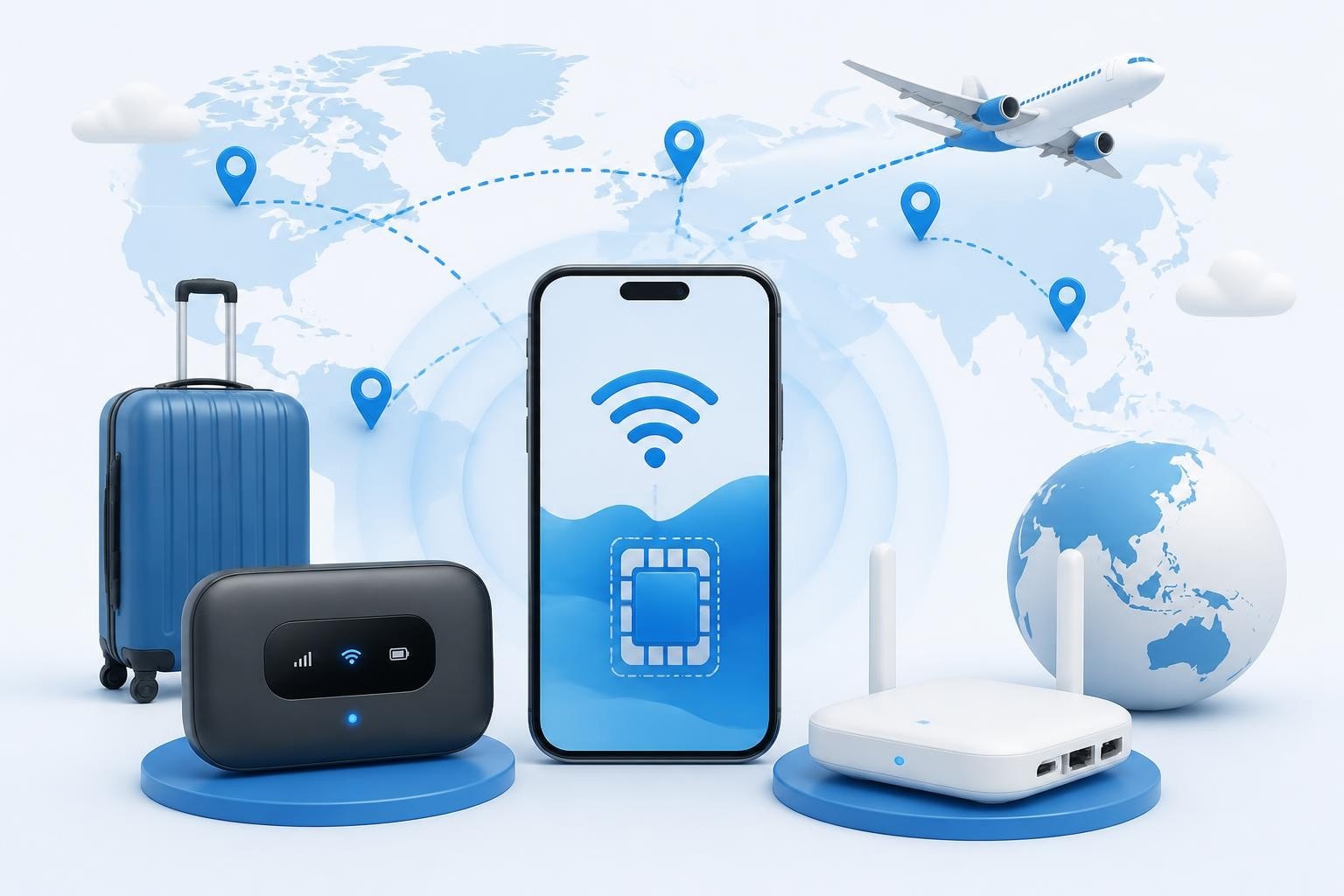
The main categories include:
- Portable WiFi hotspots (standalone devices)
- Travel routers that create your own network
- Mobile hotspots through your phone
- Digital solutions like eSIMs
- Local SIM cards purchased at your destination
Each option serves different travel styles and budgets. Understanding these differences helps you make smarter decisions before your next international trip.
Portable WiFi Devices and Hotspots
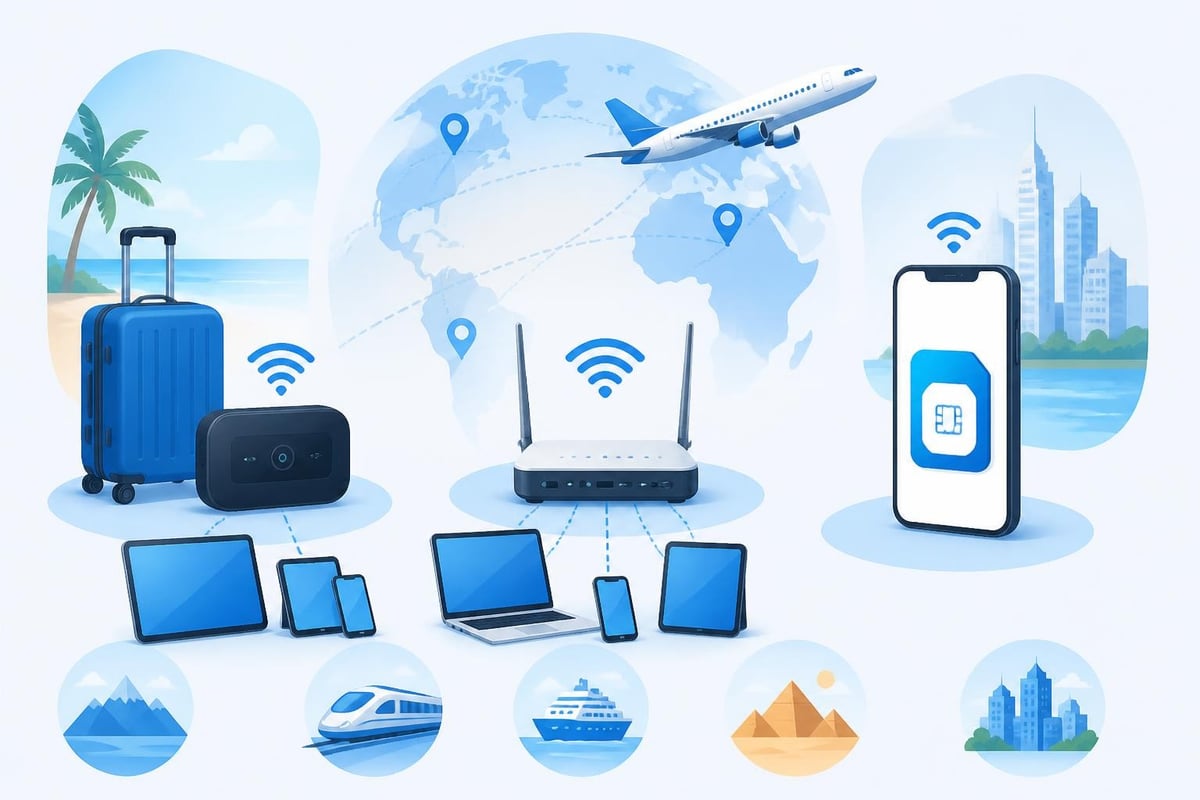
Portable WiFi hotspots remain popular among travelers who want a dedicated device for internet access. These pocket-sized gadgets connect to local cellular networks and broadcast WiFi to your phone, laptop, and other devices simultaneously.
The best portable WiFi routers for 2026 offer impressive battery life and support multiple device connections. Many travelers appreciate having a separate device that doesn't drain their phone battery. However, you'll need to research coverage areas carefully and often pay daily rental fees that add up quickly.
Key Considerations for Hardware Solutions
| Feature | Portable Hotspot | Travel Router | Phone Hotspot |
|---|---|---|---|
| Setup Time | Medium | Complex | Instant |
| Battery Impact | None on phone | None on phone | Drains phone |
| Multiple Devices | 5-10 devices | 10+ devices | 3-5 devices |
| Cost | Rental fees | One-time purchase | Uses phone data |
Physical devices require planning ahead. You need to arrange pickup or delivery, remember to charge another gadget, and return the equipment after your trip. The best mobile hotspots tested in 2026 show improved performance, but they still add weight to your carry-on and create dependency on rental companies.
Modern Alternatives: eSIM Technology
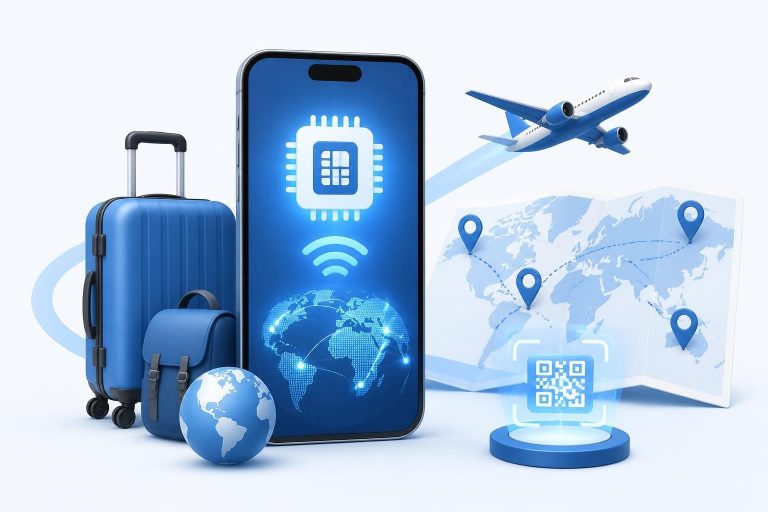
Digital solutions have transformed how travelers approach connectivity. Instead of carrying extra hardware, eSIM technology lets you download mobile data plans directly to your compatible smartphone. This represents a significant shift in travel wifi accessibility.
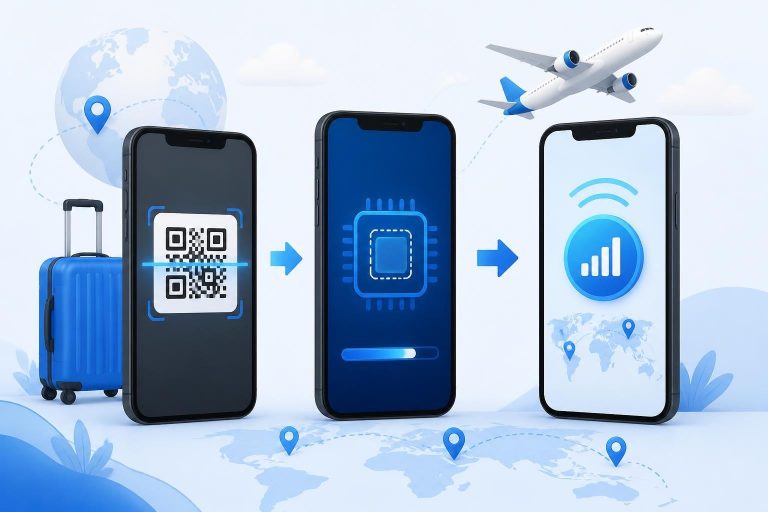
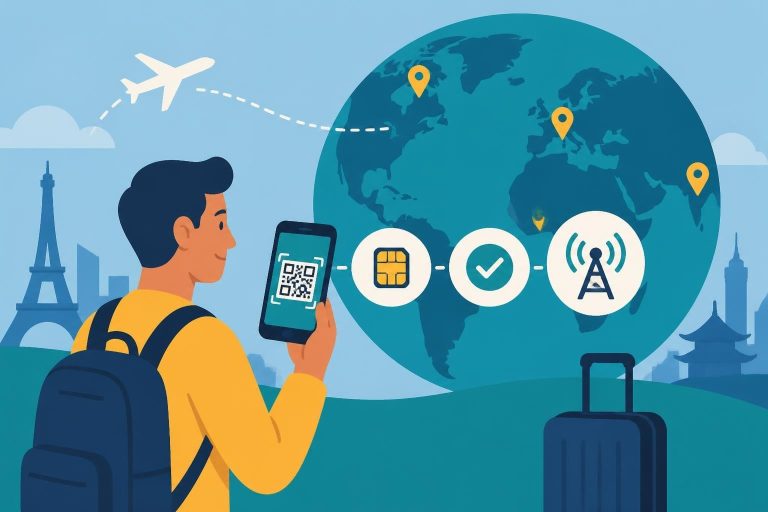
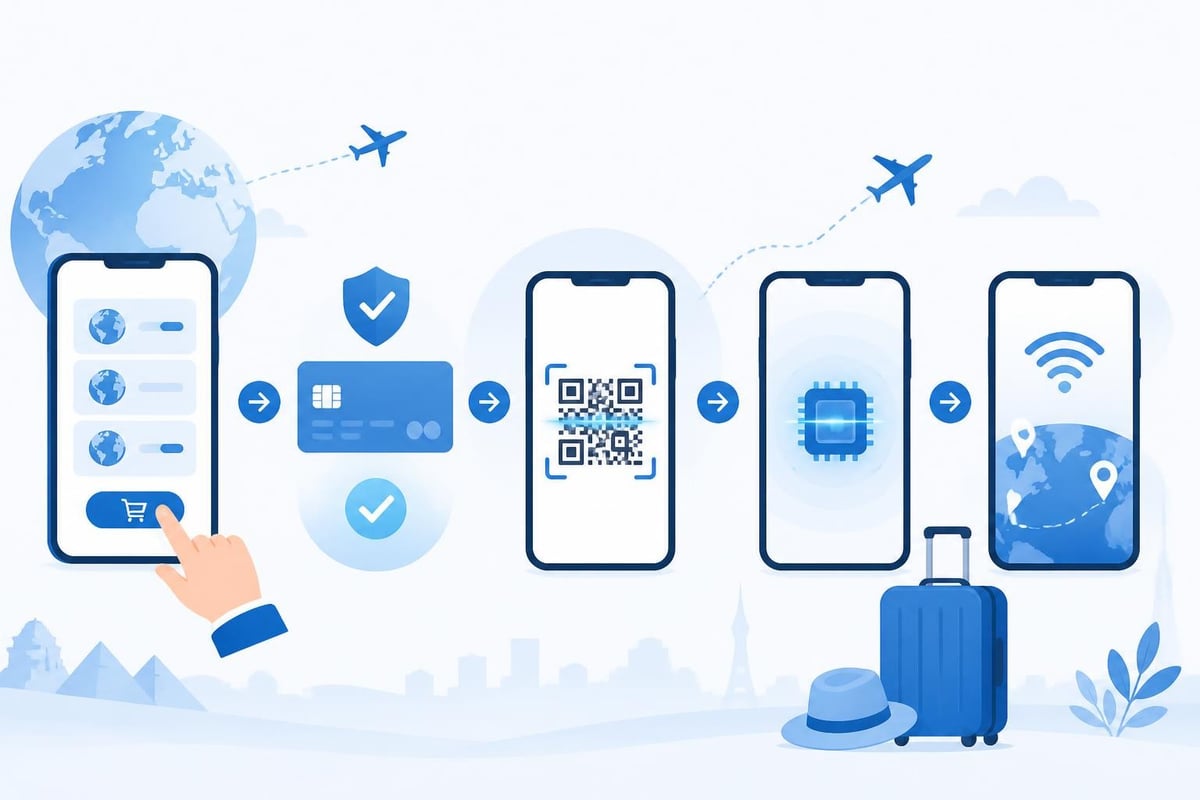
The process is remarkably simple. Purchase a plan online, receive a QR code via email, scan it with your phone, and activate your data plan. No physical cards to swap, no devices to charge, no pickup locations to visit. For example, HalaGo Travel eSIM offers instant activation across numerous destinations, letting you stay connected from the moment you land without hunting for WiFi or local SIM cards.
Benefits of eSIM solutions include:
- Instant activation before or during travel
- No roaming fees from your home carrier
- Multiple data plans on one device
- Coverage across regional or global networks
- Environmentally friendly (no plastic SIM cards)
Choosing the Right Solution for Your Trip
Your ideal travel wifi solution depends on several factors. Trip length matters significantly when comparing costs. A weekend city break has different needs than a month-long multi-country adventure.
Matching Solutions to Travel Styles
For business travelers who need reliable connections for video calls and file sharing, dedicated hotspots or premium eSIM plans with higher data allowances work best. The consistency and security matter more than budget considerations.
Budget-conscious tourists often find eSIM solutions most economical. Prepaid data plans eliminate surprise charges, and you pay only for what you need. No equipment deposits, no daily rental fees piling up.
Digital nomads working remotely while traveling typically combine solutions. An eSIM provides primary connectivity, while a travel router can secure public WiFi connections or improve hotel network performance.
Practical Tips for Staying Connected
Before selecting any travel wifi solution, verify your phone's eSIM compatibility. Most phones manufactured after 2020 support eSIM technology, but checking your specific model prevents last-minute surprises. Your phone settings will show whether eSIM activation is available.
Research coverage in your specific destinations. Not all solutions work equally well everywhere. Reading reviews from recent travelers to your exact locations provides valuable insights beyond marketing promises. The top portable WiFi hotspot options vary significantly by region.
Consider your data usage patterns. Streaming video consumes vastly more data than checking maps or messaging apps. Most travelers use 2-5GB weekly for typical activities like navigation, social media, and communication. Heavy streaming or video calls require larger data packages.
Planning for Power Needs
Whichever travel wifi solution you choose, power management becomes crucial. Portable hotspots need charging, and using your phone as a hotspot drains battery quickly. Pack a quality portable charger or reliable power bank to avoid connectivity interruptions during long travel days.
Device Compatibility and Setup
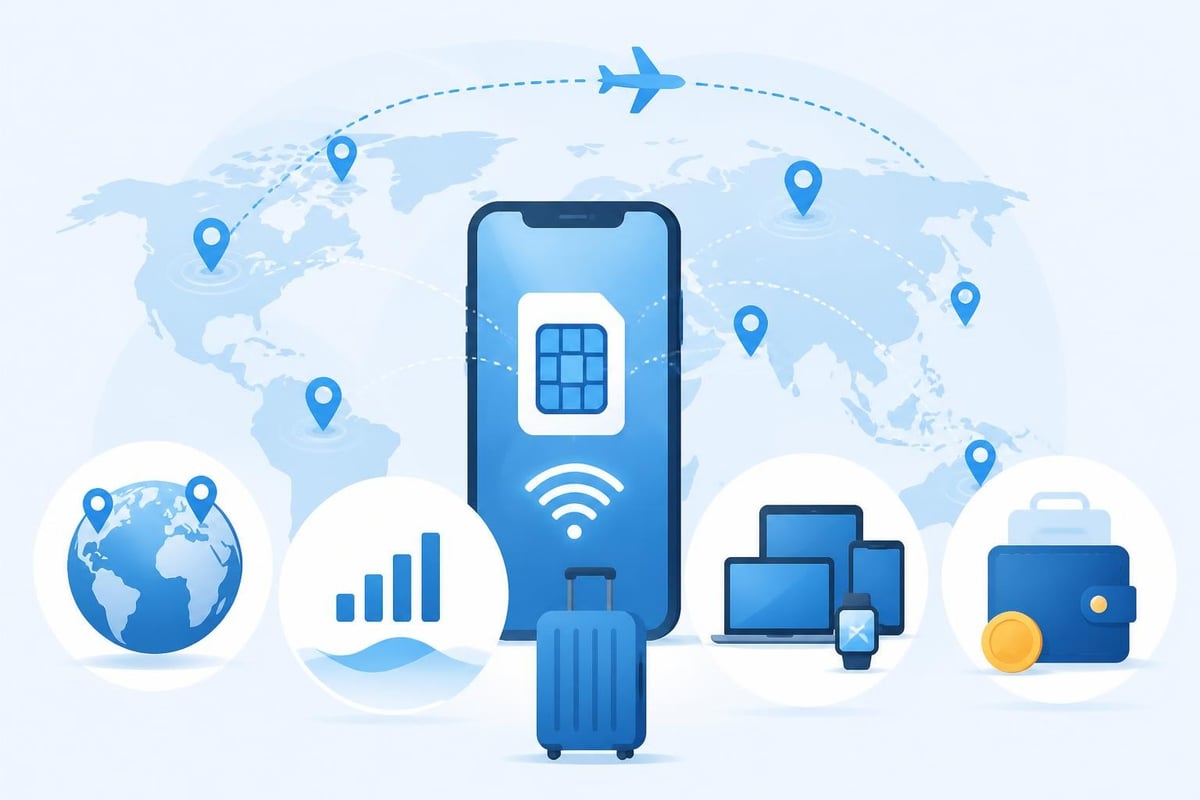
Modern smartphones from Apple, Samsung, Google, and other major manufacturers support eSIM technology. However, some carrier-locked phones restrict this functionality. Unlocking your device before travel opens up more connectivity options.
Setup processes vary by solution. Traditional SIM cards require finding shops, navigating language barriers, and physically swapping cards. Portable hotspots need configuration and password management. eSIM technology streamlines everything into a digital process completed from anywhere with existing internet access.
The activation sequence typically involves:
- Purchasing your preferred data plan online
- Receiving activation credentials via email
- Scanning the QR code in your phone settings
- Enabling the eSIM data plan
- Connecting immediately upon arrival
This digital approach eliminates the stress of finding connectivity solutions after landing exhausted in a new country. You arrive ready to navigate, communicate, and access essential travel services immediately.
Reliable internet access transforms your travel experience from stressful navigation challenges to confident exploration. Whether you choose portable hardware or digital solutions, selecting the right travel wifi option ensures you stay connected for maps, communication, bookings, and sharing memories. HalaGo simplifies international connectivity with instant eSIM activation and flexible prepaid data plans designed specifically for travelers. Browse available plans for your destination and activate your connection before you even board the plane.