




International Data: What Travelers Need to Know in 2026
Traveling abroad means staying connected for maps, ride apps, hotel bookings, and keeping in touch with family. But international data can be confusing, expensive, and complicated if you don't know how it works. Understanding the basics of international data helps you avoid surprise bills, choose the right connectivity solution, and stay online without stress during your trip.
How International Data Works When You Travel
When you leave your home country, your phone tries to connect to local mobile networks. Traditional roaming allows your home carrier to partner with foreign networks, but this convenience comes with steep costs. International data roaming fees can reach $10-15 per megabyte in some countries, turning a simple map search into an expensive mistake.
Your phone constantly sends and receives data for apps running in the background. Email syncing, social media updates, and automatic cloud backups all consume international data without you realizing it. One traveler checking directions and posting a few photos could easily rack up hundreds of dollars in roaming charges during a week-long trip.
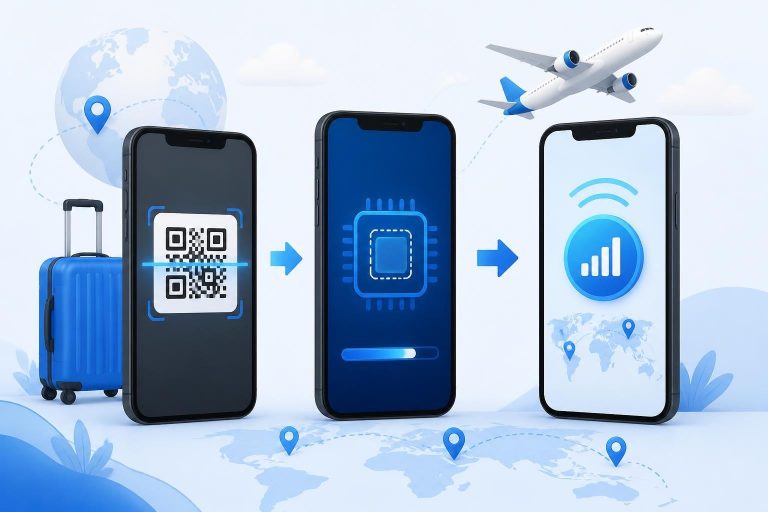
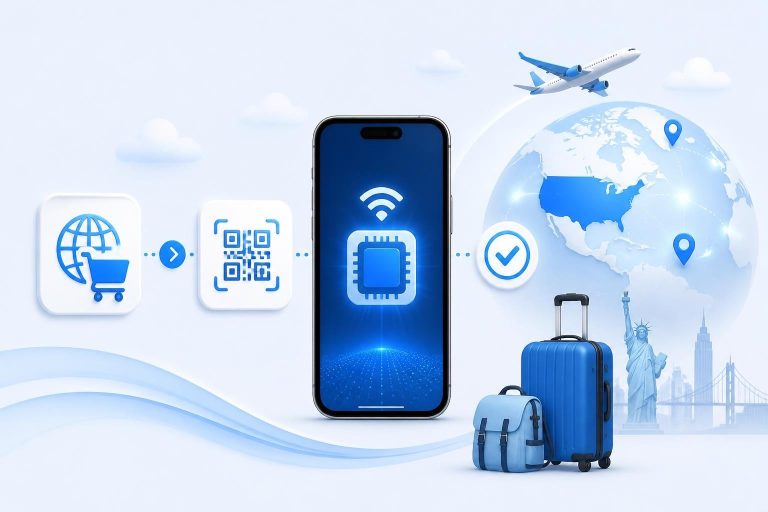
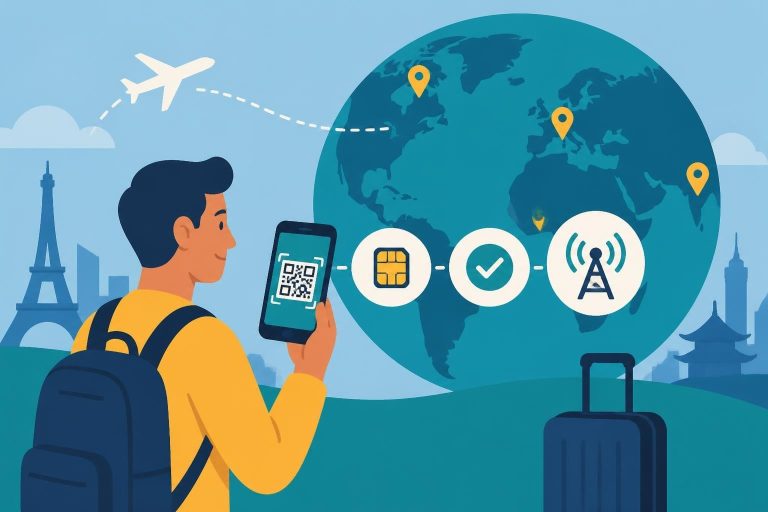
Modern travelers have better options. Prepaid travel data plans, local SIM cards, and eSIM technology give you control over costs. HalaGo offers instant eSIM activation that lets you purchase data before your trip, scan a QR code, and connect immediately when you land without searching for a shop or dealing with physical SIM cards.
Understanding International Data Privacy and Protection
Your personal information crosses borders just like you do. International data privacy laws vary significantly by region, affecting how companies collect, store, and share your information when you travel. The European Union's GDPR sets strict standards, while other countries have different approaches to data protection.
Key privacy considerations for travelers:
- Public WiFi networks in airports and cafes may expose your data to security risks
- Apps and services may track your location and share it with third parties
- Different countries have varying legal protections for your digital information
- Cross-border data transfers may subject your information to foreign laws
Data protection regulations differ across regions, creating a complex landscape for travelers. What's protected in one country might not be in another. Using encrypted connections and trusted mobile data providers helps protect your information when traveling internationally.
International Data Usage Growth and Statistics
Global connectivity continues to expand rapidly. According to recent reports, global internet usage has reached 6 billion users, though significant disparities exist in access quality and affordability across regions.
| Year | Global Mobile Data Traffic | Average per Device |
|---|---|---|
| 2024 | 89 exabytes/month | 12 GB/month |
| 2025 | 105 exabytes/month | 14 GB/month |
| 2026 | 124 exabytes/month | 17 GB/month |
Mobile data usage statistics show travelers consume more data each year as video streaming, social media, and cloud services become essential parts of daily life. The average traveler now uses 15-20 GB per month when abroad, up from just 5-8 GB five years ago.
The rise of 5G networks has accelerated international data consumption. Faster speeds encourage more video calls, higher-quality photo uploads, and seamless streaming, all of which increase data usage during trips.
Choosing the Right International Data Solution
Physical SIM Cards vs. eSIM Technology
Traditional travelers buy local SIM cards at airports or mobile shops. This works, but requires finding a store, communicating in a foreign language, and dealing with physical cards that can get lost. You also lose access to your home number temporarily.
eSIM technology eliminates these hassles. You purchase data online, receive a QR code via email, and activate your international data plan by scanning the code in your phone's settings. No store visits, no language barriers, no waiting.
Benefits of eSIM for international data:
- Instant activation before or during your trip
- Keep your home number active for calls and texts
- Switch between multiple data plans without changing physical cards
- No risk of losing or damaging a tiny SIM card
- Purchase additional data online if you run out
Comparing International Data Options
| Option | Cost | Convenience | Setup Time | Flexibility |
|---|---|---|---|---|
| Roaming | Very High | Easy | Instant | Limited |
| Local SIM | Low-Medium | Moderate | 30-60 min | Medium |
| eSIM | Medium | Very Easy | 5 min | High |
| Pocket WiFi | Medium-High | Moderate | Pickup required | Low |
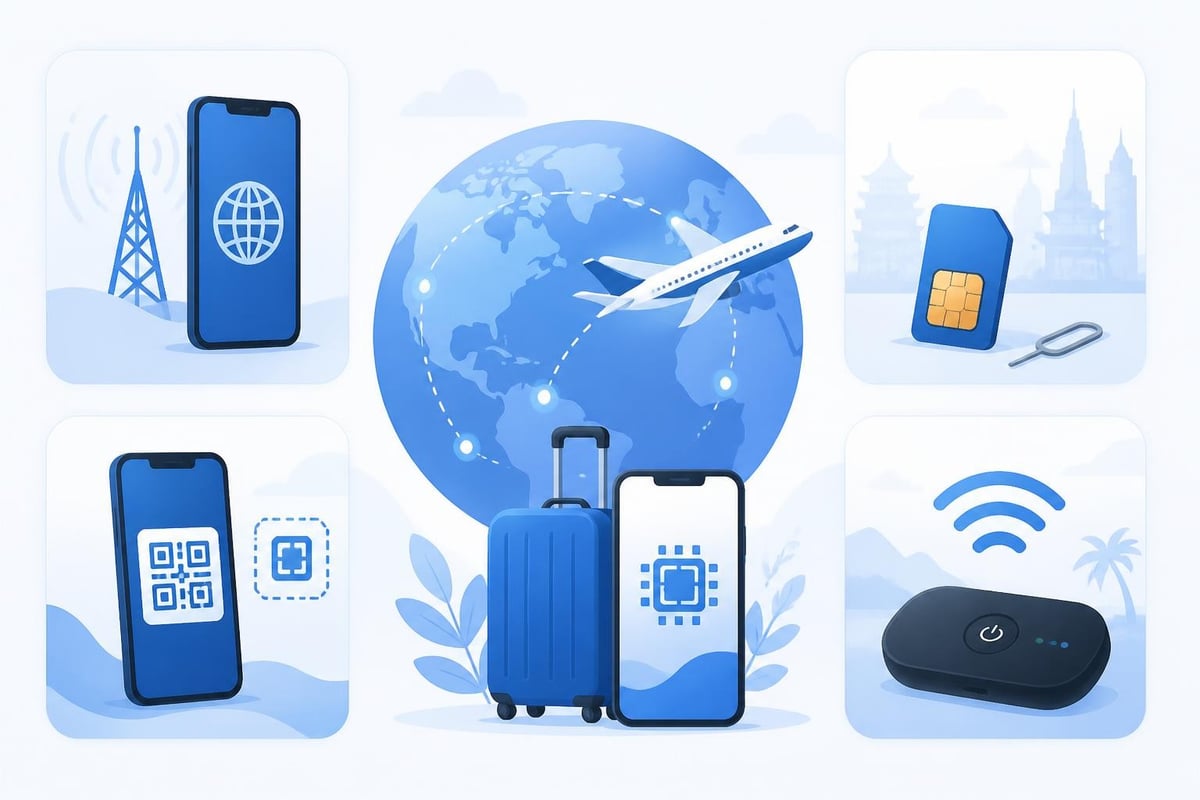
Most frequent travelers prefer eSIM solutions for their combination of reasonable pricing, instant setup, and flexibility. You can explore various eSIM connectivity options that match your destination and data needs.
Managing International Data Costs and Usage
Smart travelers monitor their international data consumption to avoid overages. Your phone's settings show which apps use the most data, helping you make informed decisions about background activity and automatic updates.
Tips for reducing international data usage:
- Download maps, guides, and entertainment before your trip
- Disable automatic app updates and cloud backups while traveling
- Use WiFi for large downloads and video calls when possible
- Set data usage alerts and limits in your phone settings
- Close apps running in the background that you don't need
Video streaming consumes the most international data. One hour of HD video uses approximately 3 GB, while standard definition drops to about 1 GB per hour. Adjusting quality settings dramatically extends your data allowance.
The growth of global data creation means infrastructure continues improving, with better coverage and faster speeds in more destinations each year. This expansion benefits travelers with more reliable international data access worldwide.
International Data Security While Traveling
Public WiFi networks pose significant security risks. Hotels, cafes, and airports often provide free internet, but these connections may lack encryption. Cybercriminals can intercept data sent over unsecured networks, potentially accessing passwords, financial information, and personal messages.
Using mobile data instead of public WiFi provides better security. Cellular networks encrypt connections between your device and the network, making it harder for attackers to intercept your information. For sensitive activities like banking or work email, mobile international data offers more protection than public WiFi.
Recent UN cybercrime treaty developments highlight growing international cooperation on digital security, though travelers should still take personal precautions. Virtual private networks (VPNs) add another security layer, encrypting all data before it leaves your device.
Security best practices for international data:
- Avoid accessing banking apps on public WiFi
- Enable two-factor authentication for important accounts
- Keep your phone's operating system and apps updated
- Use strong, unique passwords for different services
- Consider a VPN for additional encryption
Understanding international data empowers you to travel smarter and stay connected without breaking your budget or compromising security. The right preparation means seamless access to maps, communication apps, and travel tools throughout your journey. Whether you're traveling for business, tourism, or study, HalaGo provides instant eSIM activation with flexible prepaid plans designed for travelers who need reliable international data wherever they go.