




eSIM for Europe: Stay Connected During Your Trip in 2026
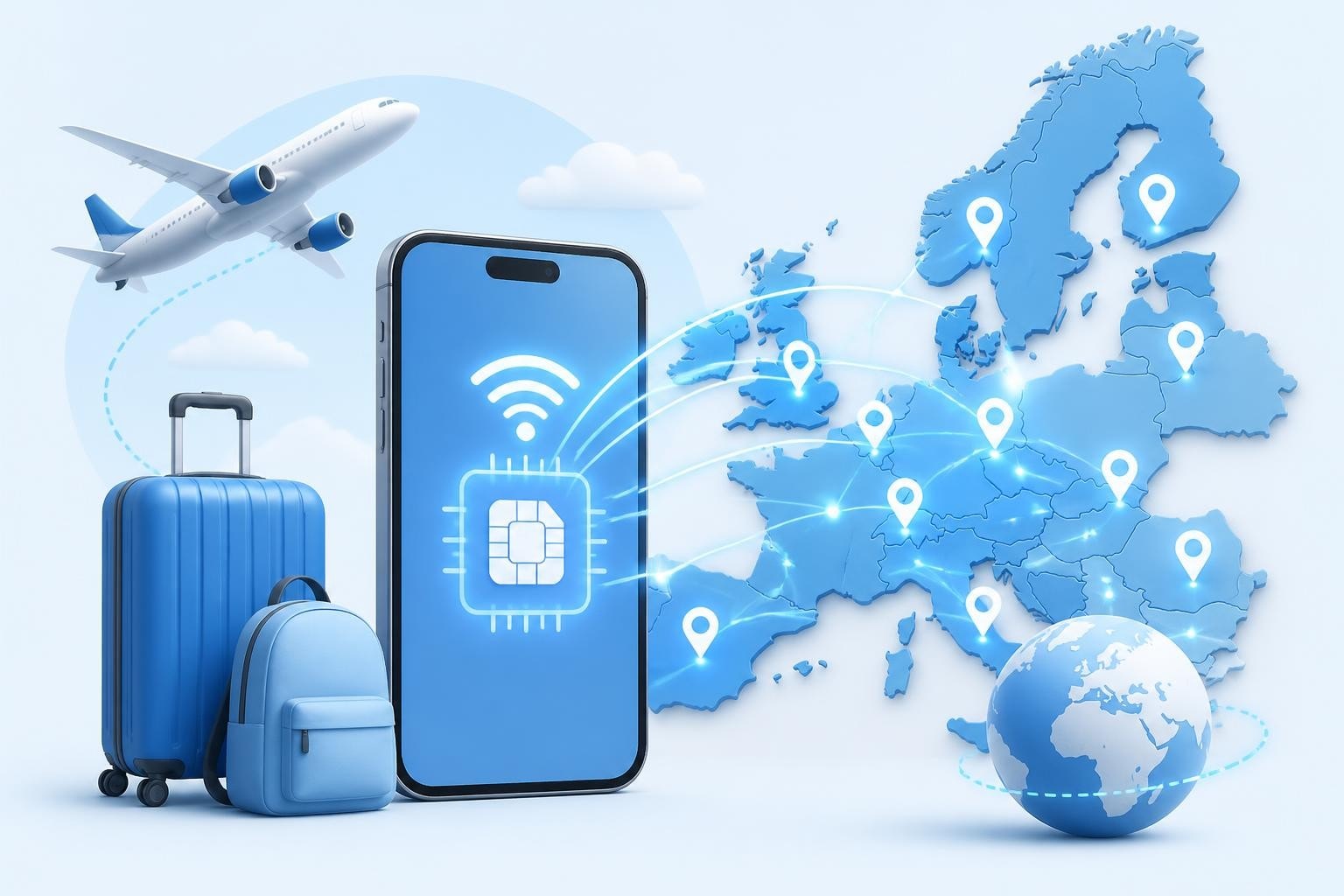
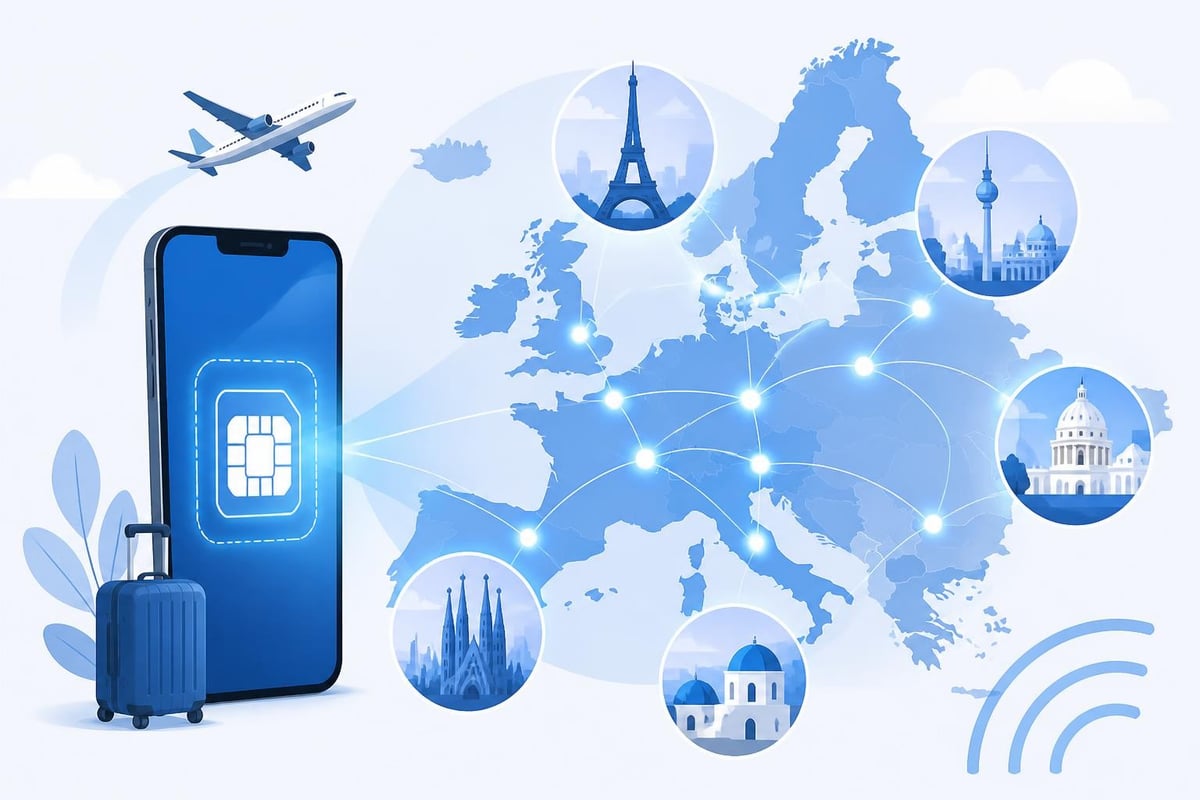
Traveling across Europe in 2026 means hopping between countries, cultures, and time zones-often in the same day. Whether you're exploring Barcelona, catching a train to Paris, or attending a business meeting in Berlin, you need mobile data that works everywhere without the hassle of swapping physical SIM cards or paying shocking roaming fees. An esim for europe solves this problem by giving you instant connectivity across dozens of countries through a single digital profile that lives on your phone.
What Is an eSIM and Why Choose It for Europe
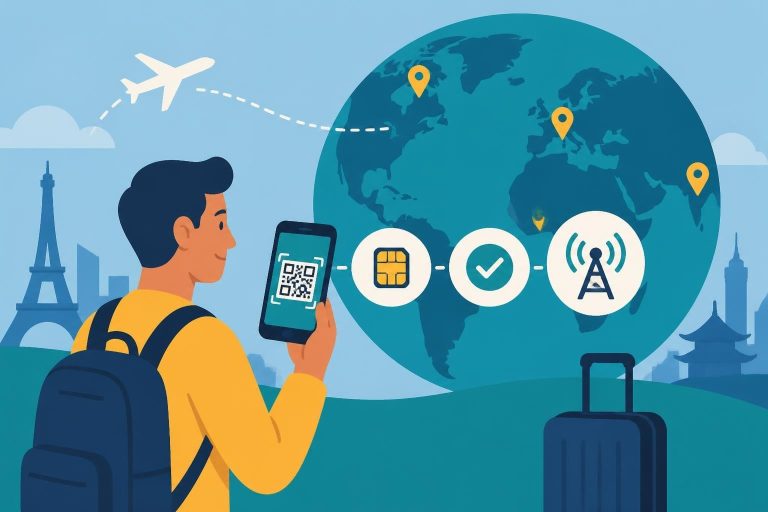
An eSIM is an embedded SIM card built directly into your smartphone, tablet, or compatible device. Instead of inserting a plastic card, you activate your data plan by scanning a QR code. This technology has become the standard for travelers who need reliable internet access without visiting mobile shops or dealing with language barriers at airport kiosks.
For European travel, eSIM technology makes particular sense because:
- One plan covers multiple countries across the Schengen zone and beyond
- Instant activation before you even board your flight
- No physical SIM card to lose, swap, or store
- Prepaid data means no surprise charges on your home bill
- Keep your original number active for calls and texts while using the eSIM for data
According to industry research on eSIM security, the technology continues to evolve with stronger protections and broader carrier support across European networks.
How eSIM for Europe Works Across Different Countries
Regional eSIM plans for Europe function through partnerships with multiple mobile network operators. When you activate an esim for europe, your device automatically connects to available networks as you cross borders-similar to how traditional roaming works, but at a fraction of the cost.
Coverage and Network Selection
Most European eSIM plans include coverage in 30+ countries, including:
- Western Europe: France, Germany, Spain, Italy, Netherlands
- Northern Europe: UK, Ireland, Sweden, Norway, Denmark
- Southern Europe: Greece, Portugal, Croatia, Malta
- Central Europe: Austria, Switzerland, Czech Republic, Poland
Your device selects the strongest available network in each country automatically. There's no manual switching or configuration needed when you cross from Austria into Italy or take the ferry from Spain to Morocco.
Data Speeds and Network Types
European eSIM providers typically offer 4G LTE speeds, with 5G becoming more common in major cities throughout 2026. Connection quality depends on the local network infrastructure rather than the eSIM itself.
| Network Type | Typical Speed | Best For |
|---|---|---|
| 4G LTE | 20-50 Mbps | Maps, messaging, social media, video calls |
| 5G | 100-300 Mbps | Video streaming, large file uploads, video conferencing |
| 3G (fallback) | 5-10 Mbps | Basic browsing, email, messaging |
Choosing the Right European eSIM Plan
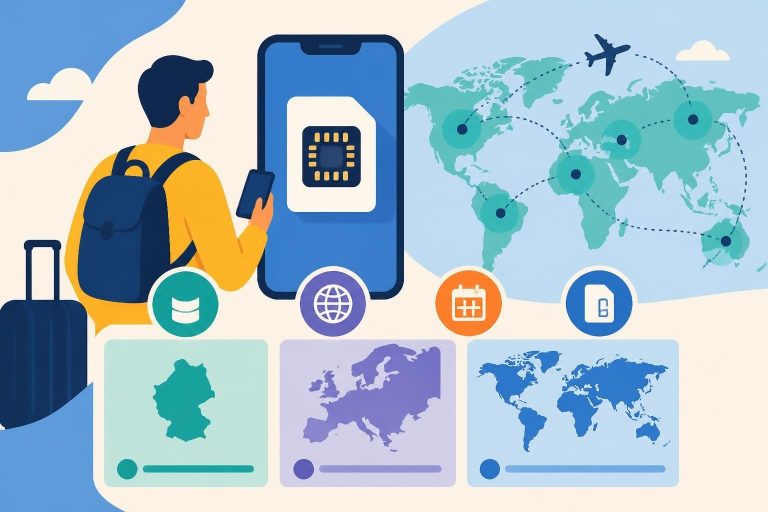
Not all travelers need the same amount of data or coverage duration. Your ideal plan depends on trip length, data usage habits, and travel style.
For weekend city breaks: 3-5 GB typically covers maps, restaurant searches, social media posts, and messaging for 3-4 days.
For week-long tours: 10-15 GB allows video calls home, uploading photos, streaming music, and heavy navigation without worry.
For extended travel or remote work: 20-50 GB or unlimited plans make sense if you're conducting video conferences, uploading content, or working from cafés across the continent.
Many travelers also appreciate regional flexibility. If your European adventure includes destinations beyond the continent, consider providers that offer both single-country and broader international coverage for complete trip planning.
Setting Up Your eSIM Before You Travel
The activation process takes about five minutes and should be completed before your departure. Here's what actually happens:
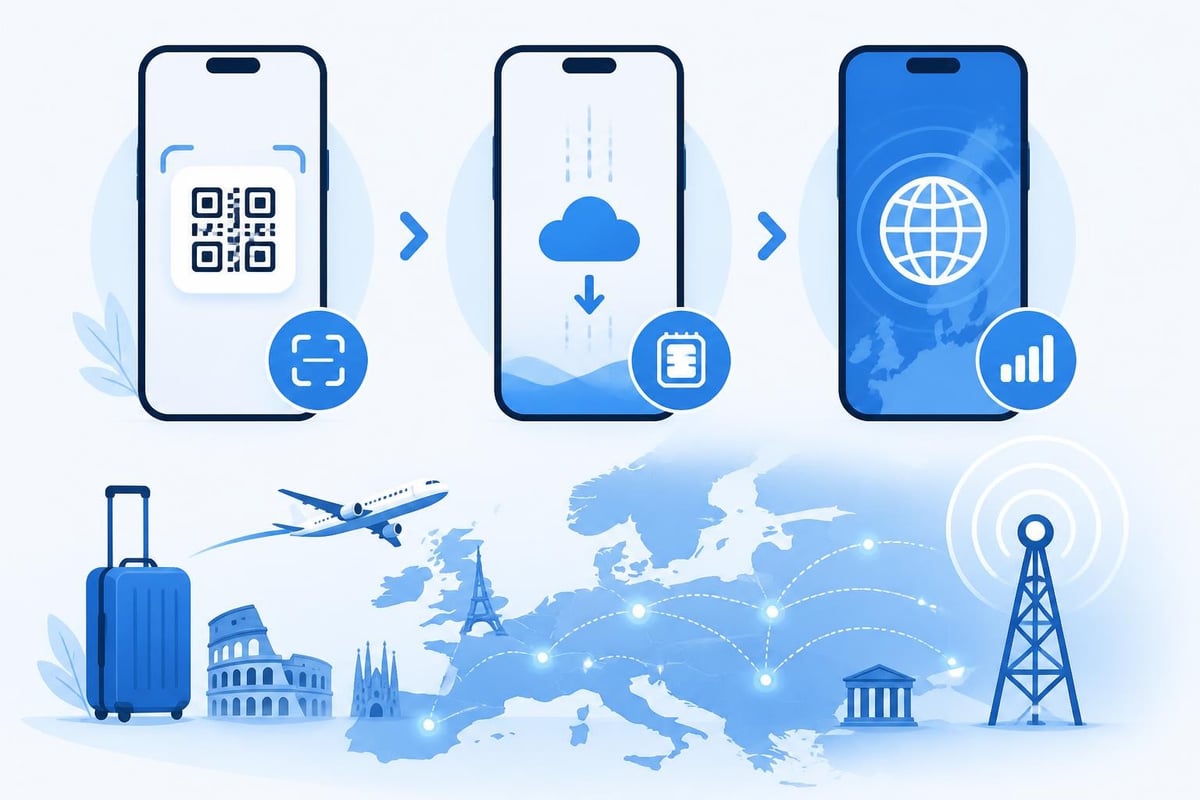
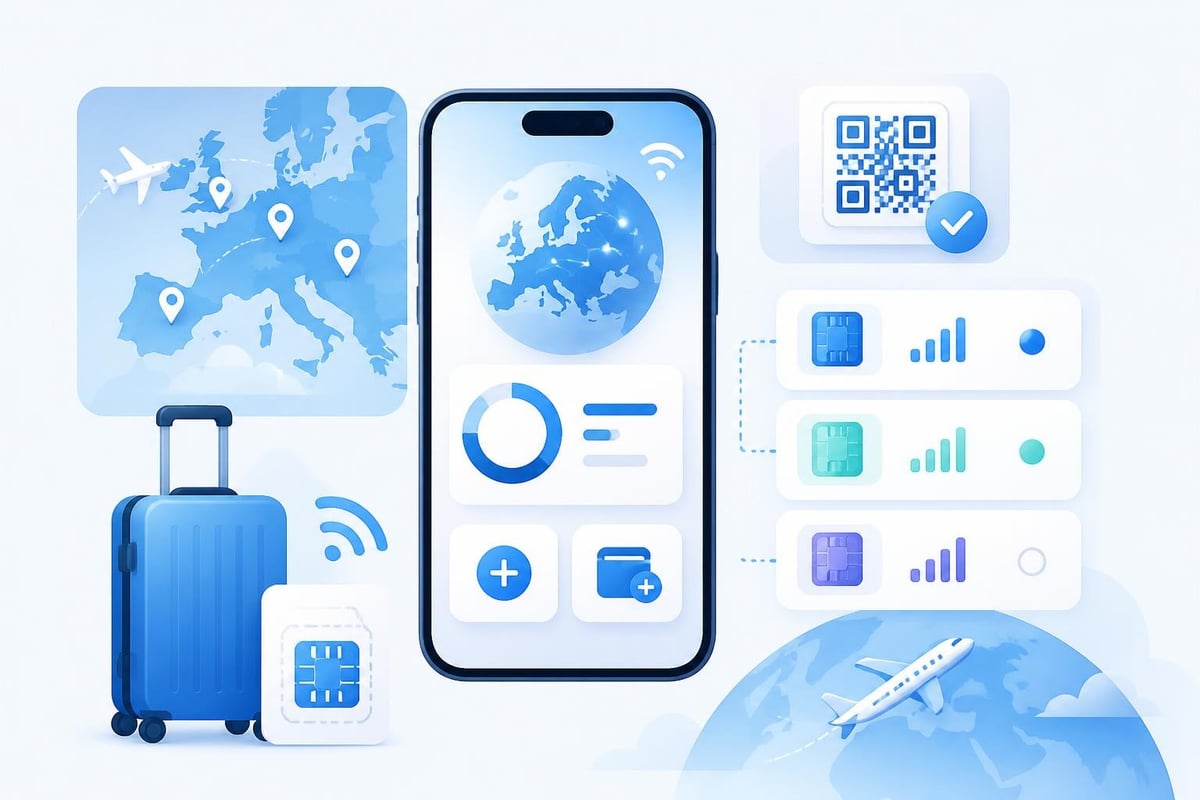
- Purchase your plan online and receive a QR code via email
- Scan the QR code in your phone's settings under Mobile/Cellular Data
- Download the eSIM profile to your device (requires internet connection)
- Label the plan (like "Europe Travel") to distinguish it from your primary line
- Activate when ready by turning on data roaming for the eSIM
Important timing note: Install the eSIM profile while you still have WiFi or your home data connection. Most plans activate when you arrive in Europe and your device connects to a local network, though some providers let you choose your activation date.
Your primary phone number remains active for calls and texts (though international rates apply). The European eSIM handles all your data traffic, keeping costs predictable and manageable.
Device Compatibility and Technical Requirements
Before purchasing an esim for europe, verify your device supports the technology. Most phones released after 2019 include eSIM capability, but checking specifically prevents surprises.
Compatible Devices Include:
- iPhone XS, XR, and all newer models
- Google Pixel 3 and later generations
- Samsung Galaxy S20 and newer flagships
- Recent iPad Pro and iPad Air models
Check your device status by looking for "Add eSIM" or "Add Cellular Plan" in your mobile network settings. Apple’s carrier support page lists specific European carriers and compatibility details for iOS devices.
Carrier lock status matters: Your phone must be unlocked by your home carrier to accept eSIM profiles from other providers. Contact your carrier before traveling if you're unsure about lock status.
Common Questions About European eSIM Usage
Can I use WhatsApp and iMessage with an eSIM?
Yes, all messaging apps work normally since they use data connection. Your contacts won't notice any difference.
What happens if I run out of data mid-trip?
Most providers offer top-up options through their app or website. Some automatically transition to reduced speeds rather than cutting service completely.
Does the eSIM work on trains and buses?
Yes, the eSIM connects wherever local mobile networks provide coverage, including high-speed trains like the TGV, Eurostar, and ICE routes. Coverage in tunnels and remote mountain areas may be limited, just like regular SIM cards.
Can I keep the eSIM profile after my trip?
The profile stays on your device until you manually remove it. Some plans allow reactivation for future trips, while others require purchasing a new plan.
For travelers looking to understand how regional eSIM plans compare across different providers and pricing structures, independent reviews provide helpful benchmarks beyond marketing claims.
Managing Data Usage Across Europe
European eSIM plans typically include a set data allowance that works across all covered countries. Managing consumption becomes important for longer trips or data-intensive activities.
Data-saving strategies that work:
- Download maps for offline use in Google Maps or Maps.me before leaving WiFi
- Use WiFi at hotels, cafés, and museums whenever available
- Disable automatic app updates and cloud photo backups while on cellular
- Stream music and podcasts on lower quality settings
- Turn off video autoplay in social media apps
Most eSIM providers offer apps or online dashboards showing real-time data consumption. Set up alerts when you reach 50% and 80% of your allowance to avoid surprises.
Getting reliable mobile internet across Europe doesn't require hunting for SIM cards at every airport or paying premium roaming rates. With proper planning and the right regional plan, you'll stay connected from touchdown to takeoff. HalaGo offers instant eSIM activation with flexible regional plans designed for European travel, letting you buy online, scan your QR code, and land with data already working across dozens of countries.